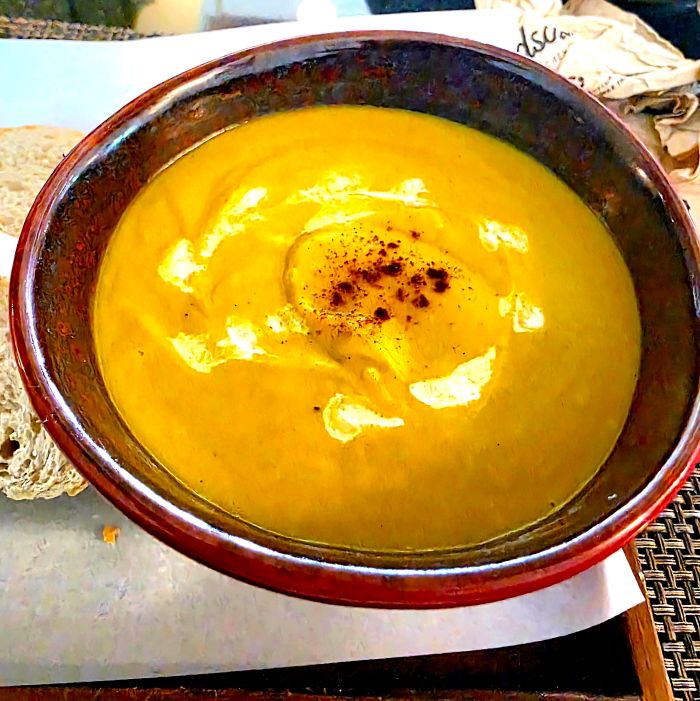
There’s something profoundly healing for me about being in Thailand. Since arriving here a couple of weeks ago, I’ve felt something I haven’t felt in a long time: deeply, completely nourished.
Not just fed, but nourished — body, mind, and spirit.
As part of our holistic wellness philosophy, recovery is not only about abstaining or letting go. It’s about doing our best to live balanced, intentional lives. One powerful way to sustain recovery is through food.
Food as Medicine
“Let food be thy medicine and medicine be thy food.” — Hippocrates
In Thailand, food is a sacred offering. It is made with intention, shared with generosity, and infused with mindfulness. I can feel the care and attention in every meal. The balance of sweet, sour, and spicy is not just about taste; it reflects a larger philosophy of balance and wholeness.
I’ve been reflecting on how this relates to recovery. When we are in pain, feeling disconnected, or under stress, our relationship with nourishment can become distorted. We may eat too much or too little. Without thinking, we reach for sugar, caffeine, or processed foods to fill emotional voids.
Our cravings often become louder and more pronounced when our bodies and minds are undernourished.
But when we eat in a way that truly nourishes us, with real, whole foods, vibrant colors, and intention, something inside us begins to calm. The cravings quiet. The mind clears. The spirit steadies.
Since being in Thailand, I’ve noticed that I don’t have the same desire for sweets. Although I’ve enjoyed wholesome vegan desserts, they’ve been made with whole ingredients, nothing processed.
I’ve only snacked once or twice since being here. The food feels alive — fresh herbs, bright vegetables, tender rice, nourishing broths — and it feeds every part of me. I eat less, but I feel more full, more satisfied, more grounded.
The Connection Between Nourishment and Recovery
There’s a profound connection between nourishment and recovery that is often overlooked. When our bodies are depleted, our minds follow. When our gut health is poor, our mood and energy are impacted. The body and mind are not separate; they are in constant dialogue.
Many people in recovery experience nutritional imbalances from years of stress, substance use, or emotional depletion. This can lead to fatigue, irritability, and cravings that make recovery even harder. But when we begin to restore nourishment with high-quality, nutrient-dense foods, we rebuild not only our physical health but also our sense of stability and resilience.
What Nourishment Can Look Like
You don’t have to travel to Thailand to experience nourishing food or to eat well. Nourishment is possible anywhere, and it doesn’t have to be complicated or expensive. Here are a few simple ways to bring more nourishment into your recovery journey:
1. Choose high-quality foods, even on a budget.
Focus on real, whole foods that come from the earth: vegetables, fruits, whole grains, legumes, nuts, and seeds. Lentils, beans, oats, brown rice, and root vegetables are affordable and nutrient-rich staples.
2. Include good fats.
Healthy fats from olive oil, avocado, nuts, seeds, and coconut help stabilize mood and blood sugar, reducing cravings for sugar and processed snacks.
3. Reduce refined sugars and simple carbohydrates.
Sugar gives quick pleasure but drains long-term vitality. Start small — swap sugary snacks for fruit or soda for herbal tea.
4. Eat mindfully.
Take time to slow down, taste your food, and feel gratitude for what you are receiving. Mindful eating supports emotional regulation and awareness, both key components of recovery.
5. Hydrate and rest.
True nourishment is holistic. Water, rest, and emotional connection are just as essential as food.
The Deeper Meaning of Nourishment
Recovery, at its core, is a journey of remembering what feeds us — not only physically but spiritually and emotionally. Nourishment is the opposite of deprivation. It’s a return to wholeness, to sufficiency, to the wisdom of the body.
In Thailand, I’ve been reminded that food can be a teacher — showing us how to balance, how to receive, and how to honor the life within and around us.
There’s a grace here in how meals are shared: not rushed, not transactional, but relational. Someone cooks. Someone receives. There’s eye contact, laughter, gratitude. In that exchange, there is healing.
I believe recovery is much the same. It’s not a solitary process. It’s about being in relationship — with ourselves, with our communities, and with the world that sustains us.
Nourishing Recovery at Sankofa
At Sankofa Institute, we offer a wonderful workshop on Nourishing Recovery, with an emphasis on food, mindfulness, and healing. We also facilitate Healing the Brain in Recovery, an evidence-based, holistic program that explores how nutrition, stress, and lifestyle impact long-term wellness.
We would be delighted to offer a workshop for your group or organization.
Go well,
Thulani